WikiPortraits volunteer spotlight: Jorge Jaramillo
Jorge discovered WikiPortraits through Kevin Payravi's photo of María Corina Machado. He shot his first red carpet with the team at the 2026 Tribeca Festival.

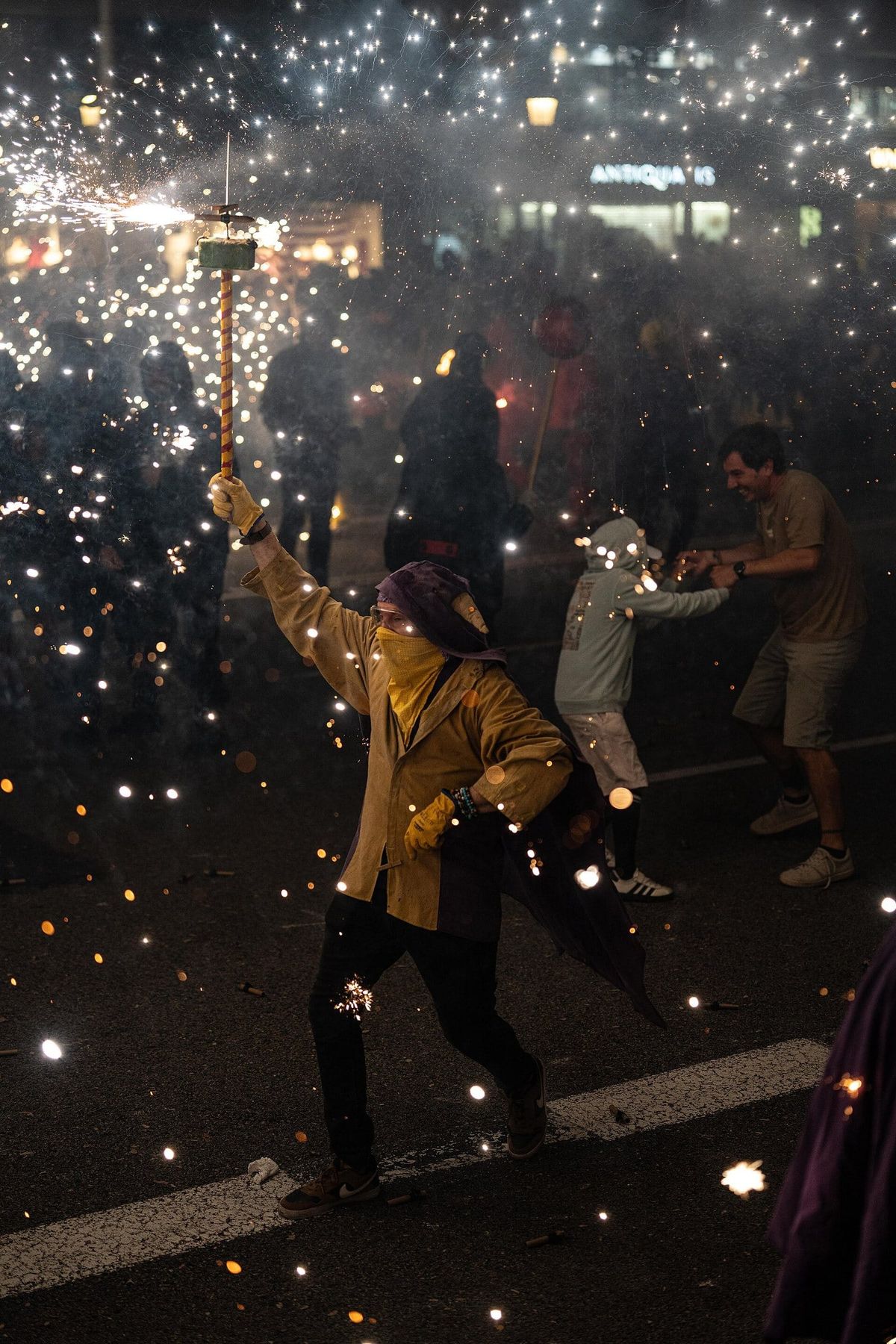
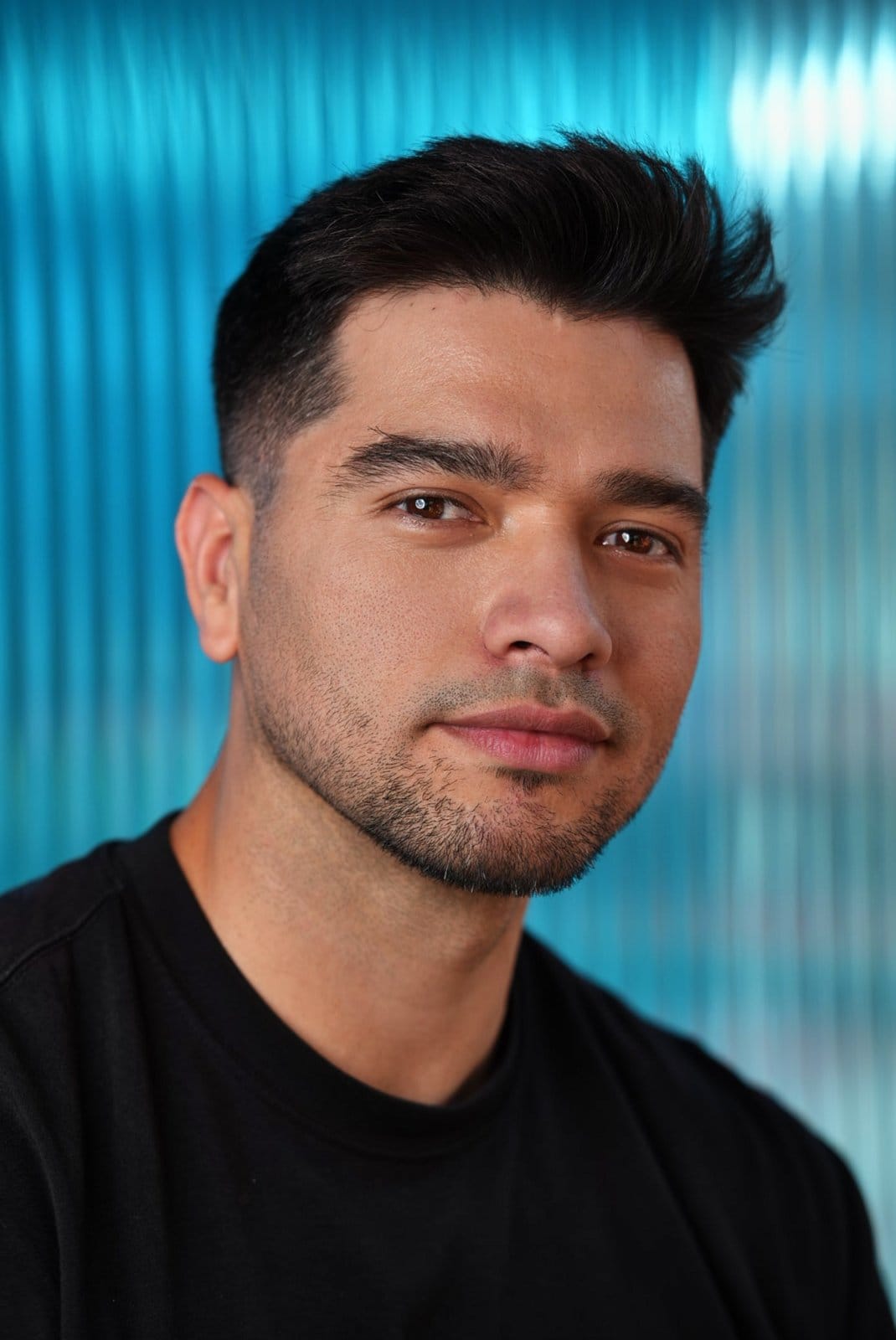
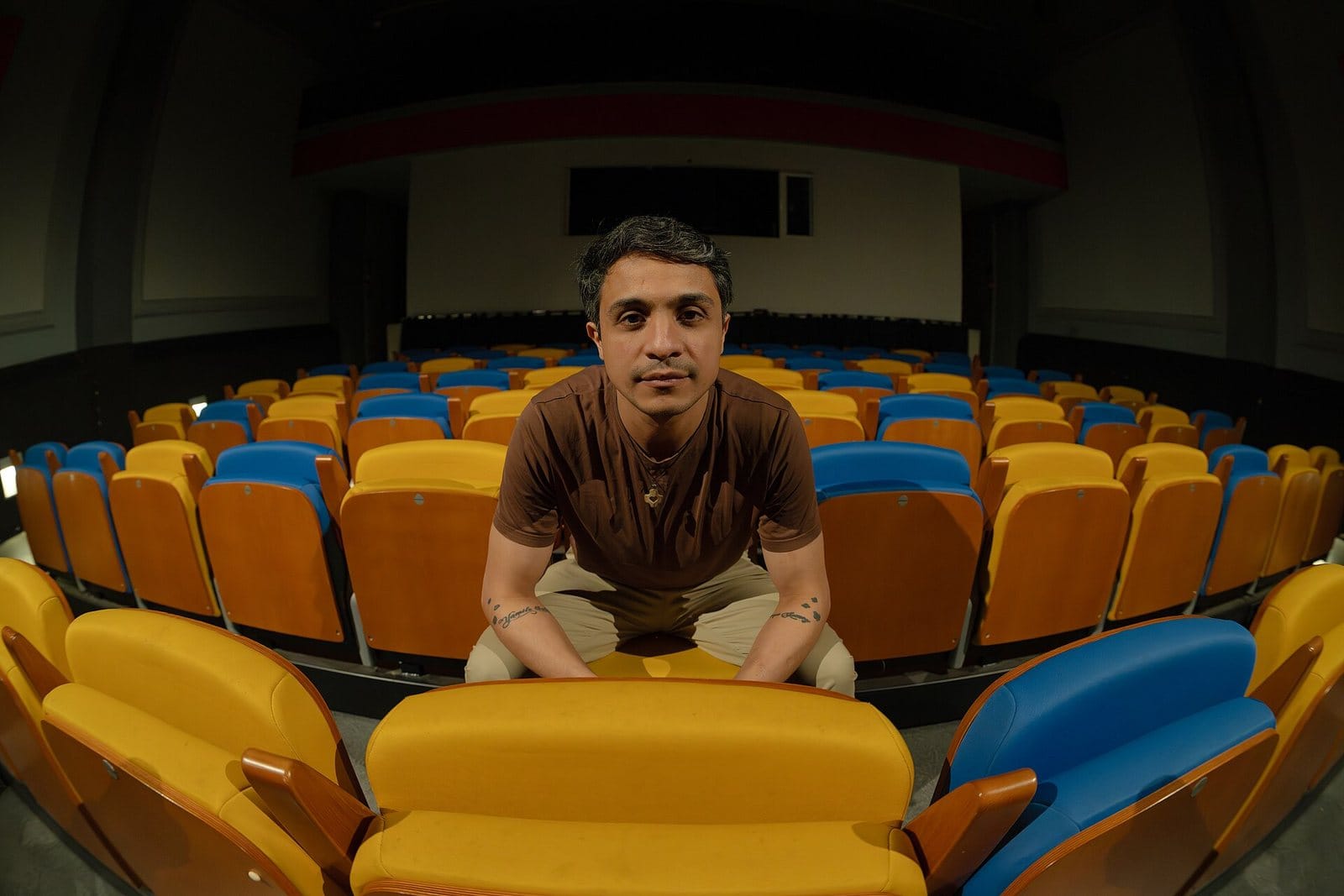
Jorge Jaramillo (User:JJxFile) is a Venezuelan photographer and visual strategist who shoots with a Sony A7R V and works wherever assignments take him. He discovered WikiPortraits through Kevin Payravi's photo of María Corina Machado and shot his first red carpet with the team at the 2026 Tribeca Festival in New York. He is also affiliated with Wikimedia Spain.
Q1) How did you become involved with Wikipedia and WikiPortraits?
Jorge Jaramillo: I've always been drawn to the space where ideas become systems and systems begin to scale, and open knowledge is one of the most powerful systems we have.
My very first step into Wikipedia was quite spontaneous: uploading portraits of former Miss Earth Venezuela Mariangela Bonanni in December 2018, and editing regional political topics across Latin America. Over time I became an active contributor to Wikimedia Commons, but I found WikiPortraits in a deeply personal way.
While reading about María Corina Machado, a figure I admire immensely for her courage and commitment to freedom, I noticed her portrait from the Nobel Peace Prize press conference in Oslo. The photograph was taken by Kevin Payravi, whose work I already followed through his commons.gallery project. Seeing the WikiPortraits badge on that image was a turning point, and it inspired me to join.
The idea of documenting people and historic moments not for a client or a single publication, but for a permanent, open and global archive, resonated with me. Knowing that an image I capture can enter the historical record, freely accessible to anyone, anywhere, is what pulled me in.
How did you get started with photography?
My connection to photography runs deep in my family. My mother worked in a photo studio called Foto Trevisi when she was young, and my father, while studying medicine at the Universidad de Los Andes, explored the peaks of the Andes with an SLR camera in hand. Our home was filled with photo albums and portraits of my mother, and I spent my childhood fascinated by how a single frame could hold so much emotion and memory.
As my career evolved across strategy, media and digital platforms, that early fascination came together with my drive to build systems and preserve culture. Photography became my main way to explore human dignity and power, from stage performances to UN diplomatic chambers and military aircraft carriers.
What are some recent events you've covered? What was it like?
Recently I covered UN Digital Cooperation Day 2026 during the UN General Assembly's High-Level Week, with official United Nations accreditation. Photographing world leaders, diplomats and tech pioneers as they discussed AI governance and the Global Digital Compact was an extraordinary experience. At the same time, I've been wrapping up my fine-art exhibition at MEAM, the European Museum of Modern Art in Barcelona, as part of the city's year as UNESCO World Capital of Architecture.
On a completely different note, I recently threw myself into the Correfoc during Barcelona's La Mercè festival. I hadn't planned to shoot it, but I found myself in the middle of cascading sparks, smoke and fire devils. My clothes were singed by flying embers, but capturing raw cultural chaos in real time made every burned thread worth it.
The main challenge in high-level diplomatic settings is the pace. You often have a split second to capture a genuine expression or gesture under unpredictable light, adjusting settings on the fly while respecting security protocols and blending into the background. Balancing that pressure with the goal of creating clean archival images for public access is demanding, but moving between protocol-driven diplomacy and raw cultural adrenaline is what makes this work so fulfilling.
What have been your other WikiPortraits highlights?
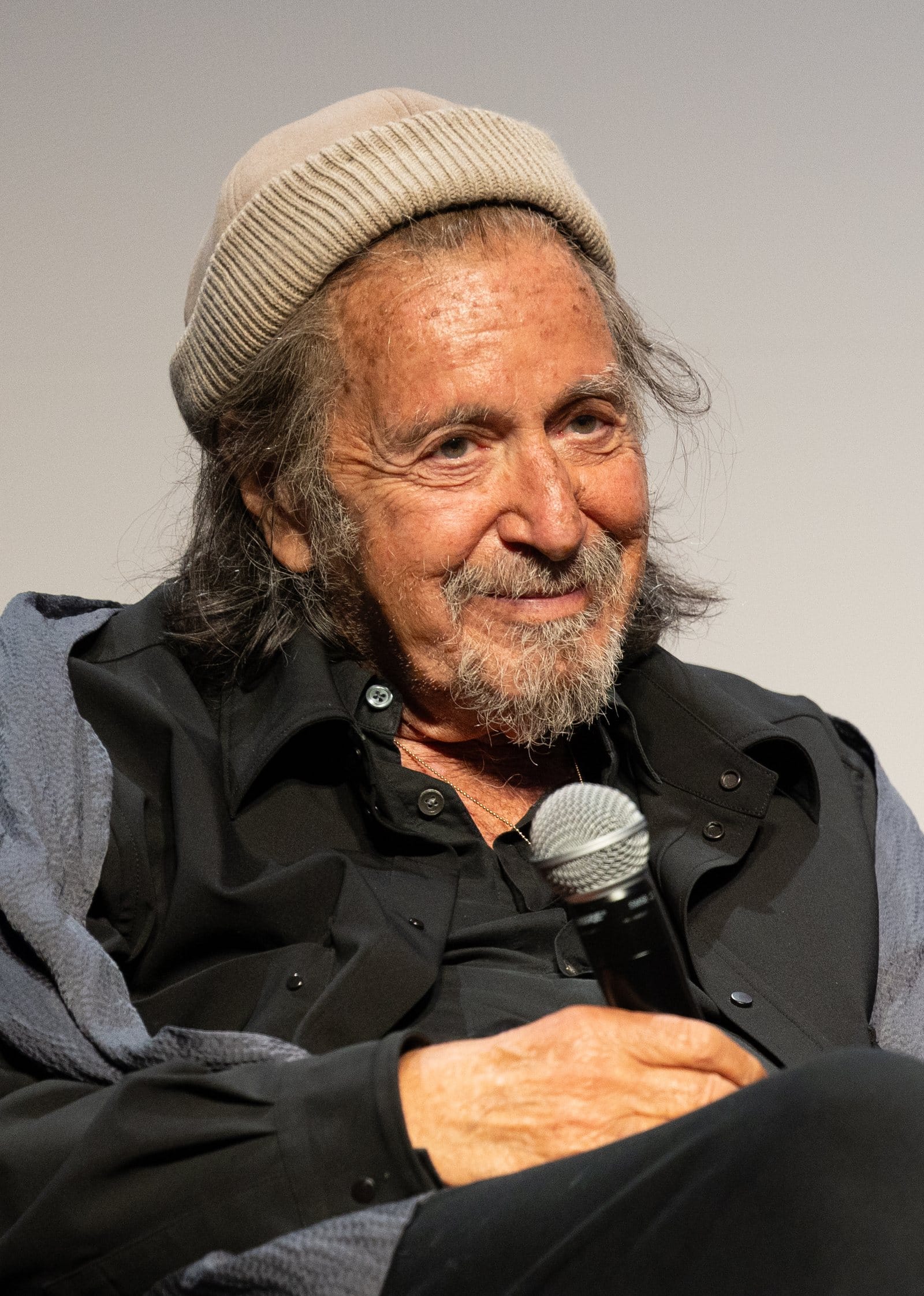
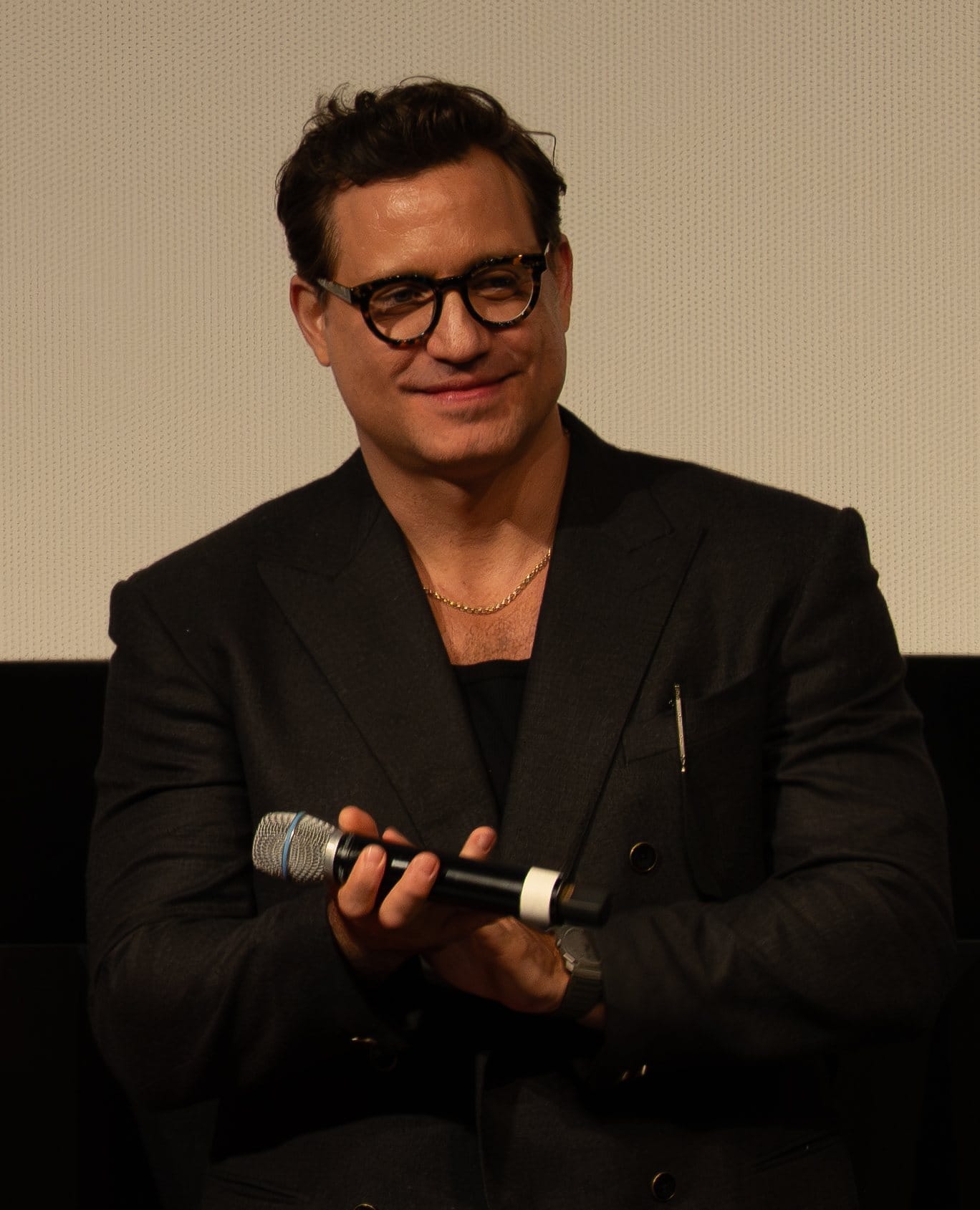
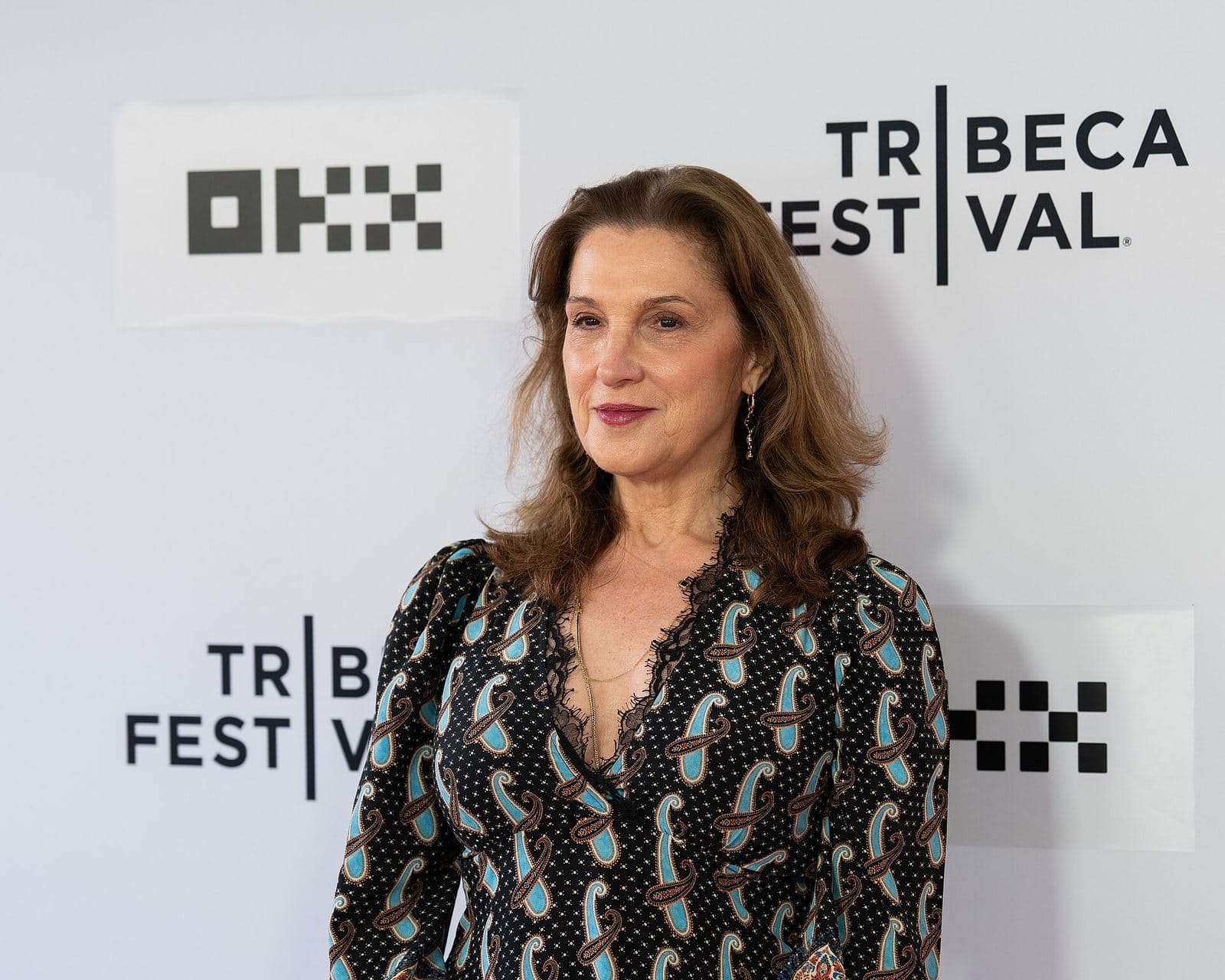
The Tribeca Festival in New York has been my highlight and my main assignment with WikiPortraits so far. It was my very first red carpet, and I loved navigating the energy of the press line and documenting filmmakers, actors and cultural icons for open access. What made it special was the team on site: working alongside Colleen Sturtevant, Bryan Berlin, Casey "Poppins" Nedelka, Casey J. Newell and Claire Fridkin turned an intense press environment into a collaborative, community-driven mission.
Beyond WikiPortraits, I've documented human rights defenders like Sakharov Prize laureate Lorent Saleh, exhibited fine-art prints at MEAM in Barcelona, and covered naval operations aboard the USS Nimitz. But being on the red carpet at Tribeca with such an amazing crew showed me how powerful collective open-knowledge documentation can be.
Where can people see your photographs?
Find Jorge's work at jjxfile.com and on Instagram. His uploads are on Wikimedia Commons under the username JJxFile.